Special Tea Varietals
Oolong Sencha Koshun
Smoked Black Tea Sakura
Smoked Black Tea Sakura
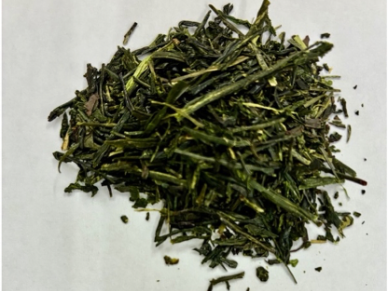
This uniquely aromatic tea is made from leaves of Koshun bushes. It offers a well-balanced sweetness and bitterness with a pleasant aroma. This tea comes from Shizuoka Prefecture.
Smoked Black Tea Sakura
Smoked Black Tea Sakura
Smoked Black Tea Sakura
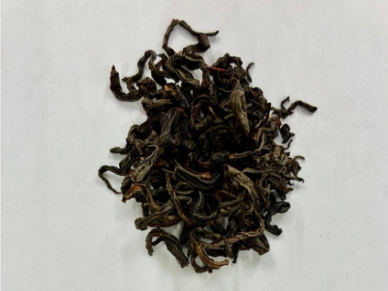
This black tea is made using a blend of first and second flush leaves of the Yabukita bush, the most common variety among all Japanese sub-varietals of camellia sinensis. The leaves were smoked using cherry wood chips, and the delicate aroma and taste of cherry transfers to the leaves, adding sophistication and complexity to this tea. This tea is from Shizuoka prefecture.
Smoked Black Tea Whisky
Smoked Black Tea Sakura
Benifuki Black Tea Shizuoka
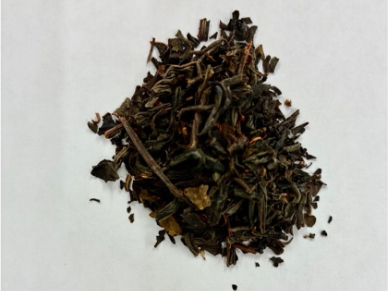
This black tea is made using a blend of first and second flush leaves of the Yabukita bush, the most common variety among all Japanese sub-varietals of camellia sinensis. The leaves were smoked using the wood chips of used whiskey barrels. The aroma and the taste of whiskey transferred to the leaves adds incredible richness and complexity to this tea. This tea is from Shizuoka prefecture.
Benifuki Black Tea Shizuoka
Organic Japanese Dark (Pu-Er) tea
Benifuki Black Tea Shizuoka
Benifuki Black Tea Shizuoka is made using the 2nd flush leaves of Benifuki bush, fed by planthoppers. This black tea has a sweet scent like honey and a melting aftertaste. This honey scent is a special scent created when a small insect called a planthopper chews on the tea leaves. When the leaves are bitten, they produce antioxidant compounds called phytoalexins to protect themselves. This protective ingredient changes into a honey aroma during the oxidation process when making black tea. This tea is from the Kanaya region of Shizuoka prefecture.
Organic GABA Black Tea 2nd Flush
Organic Japanese Dark (Pu-Er) tea
Organic Japanese Dark (Pu-Er) tea
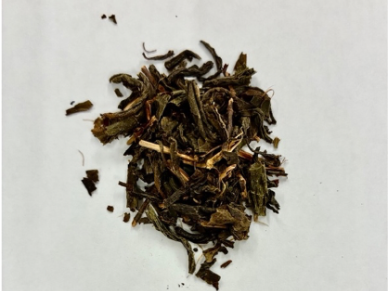
This black tea from the Miyazaki prefecture is made using organic 2nd flush leaves from Kanayamidori bushes. Development of a special technique by our manufacturerer enables them to produce a higher content of GABA (Gamma-aminobutyric acid) in the leaves. GABA is known to calm our brains, reducing stress, anxiety, and improving sleep. A cup of this tea has over 350mg of GABA. This tea is not only healthy but also delicious, as GABA is amino acid and an important element of umami.
Organic Japanese Dark (Pu-Er) tea
Organic Japanese Dark (Pu-Er) tea
Organic Japanese Dark (Pu-Er) tea
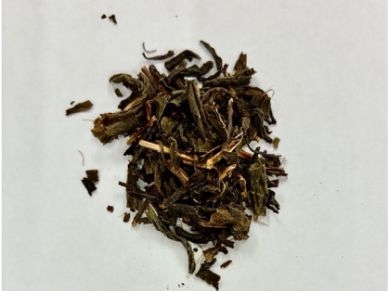
This tea is made with leaves from a combination of first and second flush harvests. In a controlled environment, organic brown rice yeast is added artificially to the pan-fried leaves for fermentation over a period of 4 to 5 days. A small amount of fresh leaves are then added for another two days of oxidization. As only one type of culture (brown rice yeast) is added to the tea, it retains some catechins, unlike traditional Pu-Er, which is aged in a natural environment. Its pleasant and slightly spicy taste is unlike anything you’ve experienced before. This Japanese Pu-Er is from the Shizuoka prefecture.
Japanese White Leaf Tea "Kiraka"*
Japanese White Leaf Tea "Kiraka"*
Japanese White Leaf Tea "Kiraka"*
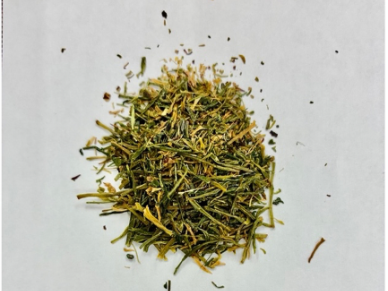
This is a rare varietal which grows white leaves, developed and registered as a new cultivar in the registry of the Ministry of Agriculture, Forestry, and Fisheries in 2006. In 2009 Kiraka won the highest award at the “World Green Tea Contest” with its truly amazing taste, which is sweet with lots of umami because it has exceptionally high content of the amino acid L Theanine. Kiraka yields on average only 50kgs per year, making it one of the rarest of all tea leaves.