Sencha
Yame Sencha Grade 3
Premium Miyazaki Sencha
Yame Sencha Grade 3
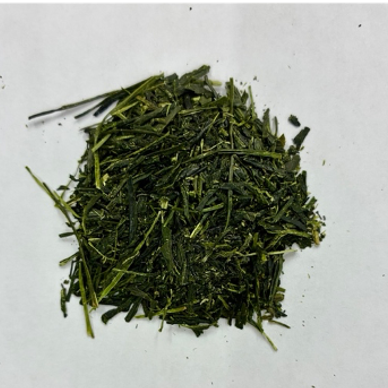
This tea comes from Yame, a renowned tea-growing region in Fukuoka Prefecture on the southern island of Kyushu, known throughout Japan for its high-quality teas. Yame Sencha Grade 3 is made from leaves picked during the later part of the first-flush harvest. It has a wonderfully rich taste with plenty of umami flavor.
Uji Sencha Premium
Premium Miyazaki Sencha
Yame Sencha Grade 3
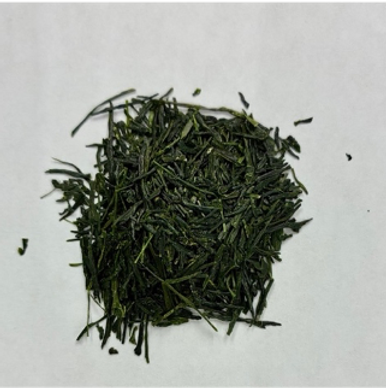
This tea comes from Uji, on the outskirts of the ancient capital of Kyoto, where Sencha was first developed in 1738. Uji Sencha Premium is made with leaves typically picked around the 10th day after the first-flush harvest begins. Because the tea bushes are shaded before harvesting, the leaves retain a high level of umami, giving the tea a rich and savory flavor.
Premium Miyazaki Sencha
Premium Miyazaki Sencha
Premium Miyazaki Sencha
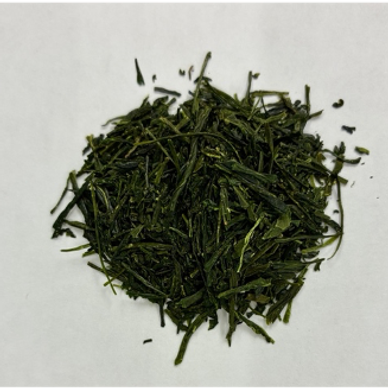
This tea comes from the Miyazaki prefecture. Miyazaki Premium Sencha is made with leaves typically picked 3-5 days after the first flush harvest has begun. Because the bushes are shaded before harvesting, it retains a lot of umami.
Tenryu Sencha Special
Fukamushi Sencha Nissaka
Premium Miyazaki Sencha
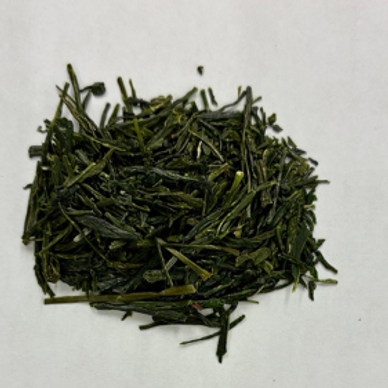
This tea is hand picked, grown on the mountain slope alongside Tenryu River, which runs through the northwestern part of Shizuoka. It is lightly steamed and yields a golden green liquor with pleasant brisk, toasty flavors
Fukamushi Sencha Nissaka
Fukamushi Sencha Nissaka
Fukamushi Sencha Nissaka
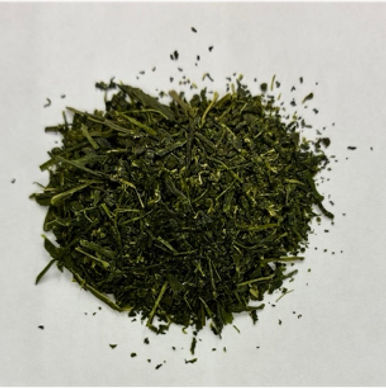
This tea comes from the Nissaka area of the Kakegawa region of Shizuoka prefecture, known for producing the best Fukamushi Sencha due to the richness of its soil. Fukamushi Sencha Nissaka is made with leaves typically picked on the 2nd day after the first flush harvest has begun. Lots of umami and a hint of astringency in this tea tea create a wonderfully satisfying flavor.
Fukamushi Sencha Tenjo
Fukamushi Sencha Nissaka
Fukamushi Sencha Nissaka
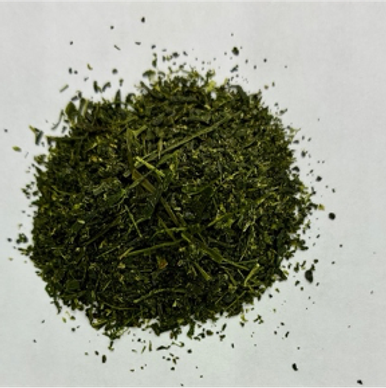
It has always been said that the best Sencha is made using leaves picked on the 88th day from the spring equinox. This Sencha was made using leaves picked around the 88th day and has an absolutely perfect balance of sweetness and briskness. It is a deep steamed "Fukamushi" Sencha made by an award-winning producer in the Kakegawa region of Shizuoka.
Aged Sencha
Sencha Shizu 7132
Fukuoka Zairai
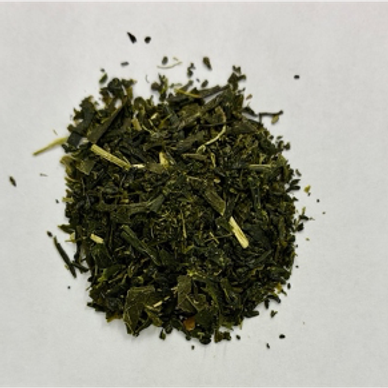
This medium steamed Sencha is made with leaves from 100-year-old Zairai (non- cultivar) bushes from Fukuoka. It was then aged for about 6 months in a special storing facility called “Kura."
Fukuoka Zairai
Sencha Shizu 7132
Fukuoka Zairai
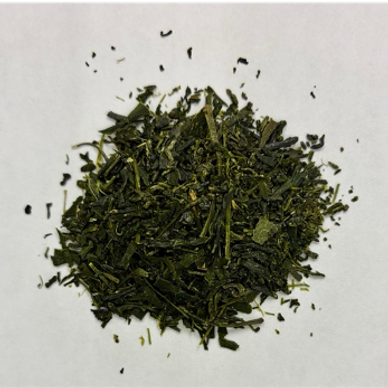
This medium steamed Sencha is made with leaves from 100-year-old Zairai (non-cultivar) bushes, picked 3-5 days after the first flush harvest has begun. This tea has a depth to its taste, and according to my grandmother, it is how Sencha used to taste.
Sencha Shizu 7132
Sencha Shizu 7132
Keijo Saemidori Sencha
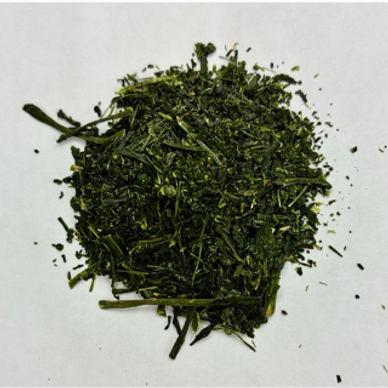
Shizu 7132 refers to the tea plant varietal, developed in the Shizuoka prefecture’s tea research center by selecting superior seeds from the most common bush type, Yabukita. This bush has a higher content of coumarin, a fragrant compound found in cherry leaves. As a result, sencha made from Shizu 7132 is highly fragrant, which adds more depth to its taste.
Keijo Saemidori Sencha
Yakushima Saimidori Sencha
Keijo Saemidori Sencha
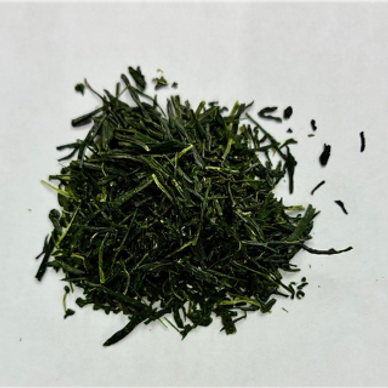
The Saemidori bush was first developed in 1969 through crossbreeding between Yabukita (the most popular tea bush in Japan) and Asatsuyu (a bush type known as"naturally grown Gyokuro”). Saemidori is rich with almost no bitterness and a delicate, fresh aroma. This lightly steamed shade grown Saemidori Sencha is from the Miyazaki prefecture.
Yakushima Saimidori Sencha
Yakushima Saimidori Sencha
Yakushima Saimidori Sencha
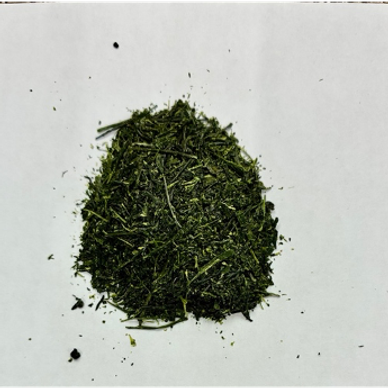
This is another version of Saemidori Sencha from Yakushima, an island located off the southern coast of Kyushu. It offers a delicate balance of umami and natural sweetness, with a smooth and refreshing character. The tea was crafted by a producer in Fukuoka Prefecture, Kyushu.
Tsuyuhikari Sencha
Yame White Leaf Sencha
Yame White Leaf Sencha

Tsuyuhikari refers to the tea varietal, which was registered in the year 2000. Our Tsuyuhikari is a Fukamushi (deep steamed) Sencha, made with the youngest leaves of the first flush harvest from the Makinohara region of Shizuoka. The color of the leaf is bright green and it has a refreshing aroma with a hint of Gyokuro-like umami.
Yame White Leaf Sencha
Yame White Leaf Sencha
Yame White Leaf Sencha
This White Leaf Tea was developed from a superior seed and differs from the white-leaf tea cultivar "Kiraka" in Shizuoka. Unlike Kiraka, Yame White Leaf Tea is not shaded. It is harvested from late April through early May.
Sencha Kirari
Yame White Leaf Sencha
Sencha Kirari
This cultivar was developed in Miyazaki Prefecture in 1994 by crossing the Sakimidori and Saemidori cultivars. Its flavor is characterized by a fresh, clean quality reminiscent of the vibrant green of early spring. The umami is present without being overpowering, while a lingering aroma remains through the finish. A crisp, pleasant astringency adds definition, resulting in an exceptionally well-balanced flavor.
This tea was crafted by an acclaimed producer in Shizuoka using leaves grown in Miyazaki Prefecture and harvested in late April.